
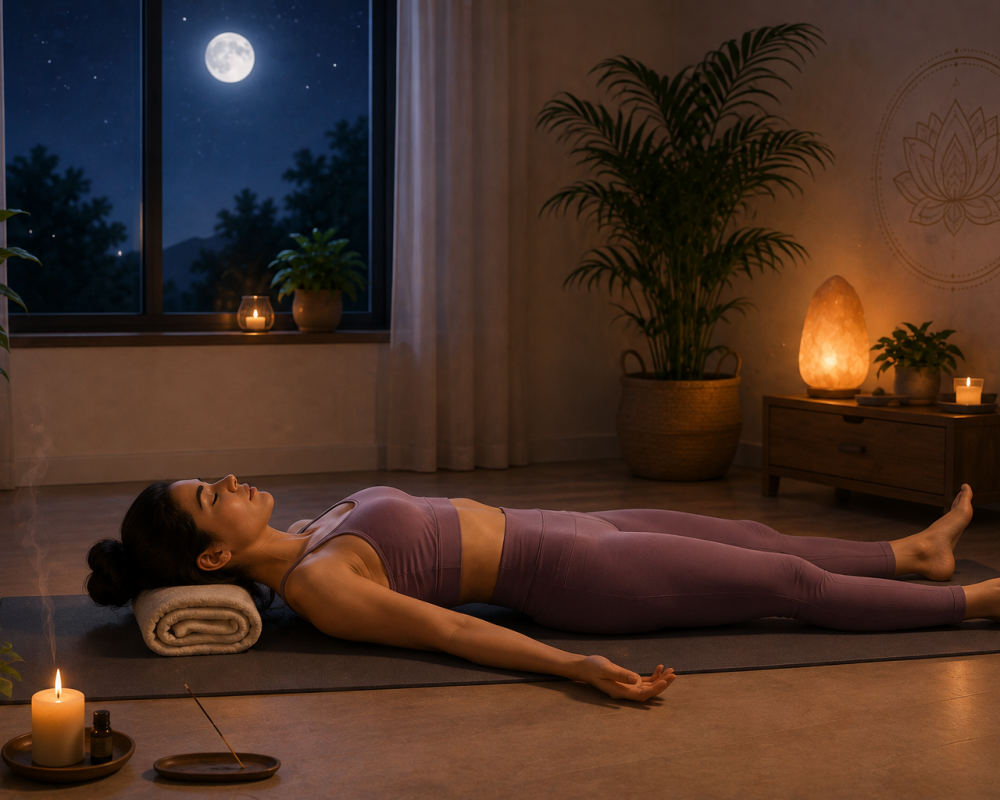
Why Sleep Matters More Than You Think ?
Sleep is not simply a period of rest—it’s one of the body’s most powerful healing mechanisms. During quality sleep, your brain consolidates memories, tissues repair, hormones rebalance, and the immune system strengthens.
Unfortunately, modern lifestyles have made sleep disturbances increasingly common. Stress, excessive screen time, irregular schedules, sedentary habits, and anxiety contribute to poor sleep quality, leaving many people feeling tired despite spending enough time in bed.
Common signs of poor sleep include:
- Difficulty falling asleep
- Frequent night awakenings
- Waking up too early
- Feeling tired after waking
- Daytime fatigue and poor concentration
- Mood swings and irritability
Rather than relying solely on sleep medications, many people are now seeking natural, sustainable solutions. One of the most researched and effective approaches is Yoga.
What Does Science Say About Yoga and Sleep?
A growing body of scientific research demonstrates that yoga significantly improves sleep quality across different age groups and health conditions.
Research has shown that regular yoga practice can:
✓ Improve overall sleep quality
✓ Reduce the time taken to fall asleep (sleep latency)
✓ Increase total sleep duration
✓ Reduce nighttime awakenings
✓ Improve daytime energy levels
✓ Reduce anxiety and stress associated with insomnia
How Does Yoga Improve Sleep?
- Calms the Nervous System
Modern life often keeps our bodies in a constant “fight or flight” mode. Gentle yoga activates the parasympathetic nervous system, allowing the body to shift into “rest and digest” mode.
This leads to:
- Slower heart rate
- Reduced blood pressure
- Relaxed muscles
- Deeper breathing
- Mental calmness
- Reduces Stress Hormones
Chronic stress increases cortisol levels, making it difficult to fall asleep.
Research suggests that yoga helps reduce cortisol while improving emotional regulation, creating a calmer mental state before bedtime.
- Enhances Melatonin Production
Some studies have reported increased evening melatonin levels following consistent yoga and meditation practice.
Melatonin is the body’s natural sleep hormone that regulates the sleep-wake cycle.
- Improves Heart Rate Variability (HRV)
Higher heart rate variability indicates better autonomic nervous system balance.
Yoga breathing practices and relaxation techniques improve HRV, helping the body recover from stress more efficiently.
- Reduces Anxiety and Depression
Mental health conditions frequently coexist with insomnia.
Yoga has been shown to reduce symptoms of anxiety and mild-to-moderate depression, indirectly improving sleep quality.
Best Yoga Practices for Better Sleep
Gentle Evening Asanas
These calming postures help release muscular tension while preparing the nervous system for sleep.
- Child’s Pose (Balasana)
- Cat-Cow Stretch (Marjaryasana–Bitilasana)
- Seated Forward Bend (Paschimottanasana)
- Supine Spinal Twist (Supta Matsyendrasana)
- Legs-Up-the-Wall Pose (Viparita Karani)
- Reclining Bound Angle Pose (Supta Baddha Konasana)
Hold each posture comfortably while breathing slowly without forcing the stretch.
Relaxing Pranayama and Guided Relaxation
Breath regulation is one of the fastest ways to calm the brain.
Recommended practices include:
- Nadi Shodhana (Alternate Nostril Breathing)
- Diaphragmatic Breathing
Practice for 5–10 minutes before bedtime.
- Relaxation techniques help deactivate mental overactivity.
Recommended practices include:
- Yoga Nidra
- Guided Body Scan
- Mindfulness Meditation
Even 20 minutes of Yoga Nidra has been shown to reduce perceived stress and improve sleep quality in many individuals.
Lifestyle Tips to Enhance Sleep Naturally
Yoga works best when combined with healthy sleep habits.
Consider these evidence-based recommendations:
- Maintain a consistent sleep schedule.
- Avoid caffeine and nicotine in the evening.
- Reduce screen exposure at least one hour before bedtime.
- Eat a light dinner 2–3 hours before sleep.
- Keep the bedroom cool, quiet, and dark.
- Spend time outdoors during daylight to support your natural circadian rhythm.
- Engage in regular physical activity earlier in the day.
Conclusion
Quality sleep is not a luxury—it’s a biological necessity. Scientific research increasingly supports yoga as a safe, natural, and effective practice for improving sleep quality by calming the nervous system, reducing stress, and promoting overall well-being.
Whether you struggle with occasional sleeplessness or chronic insomnia, incorporating gentle yoga and mindful breathing into your evening routine can be a meaningful step toward deeper, more restorative sleep.
Small, consistent changes practiced with patience can lead to lasting improvements in both sleep and overall health.